More Press Releases

Cayetano raises due process concern on scope of VP impeachment

Cayetano raises due process concern on scope of VP impeachment

Cayetano raises due process concern on scope of VP impeachment

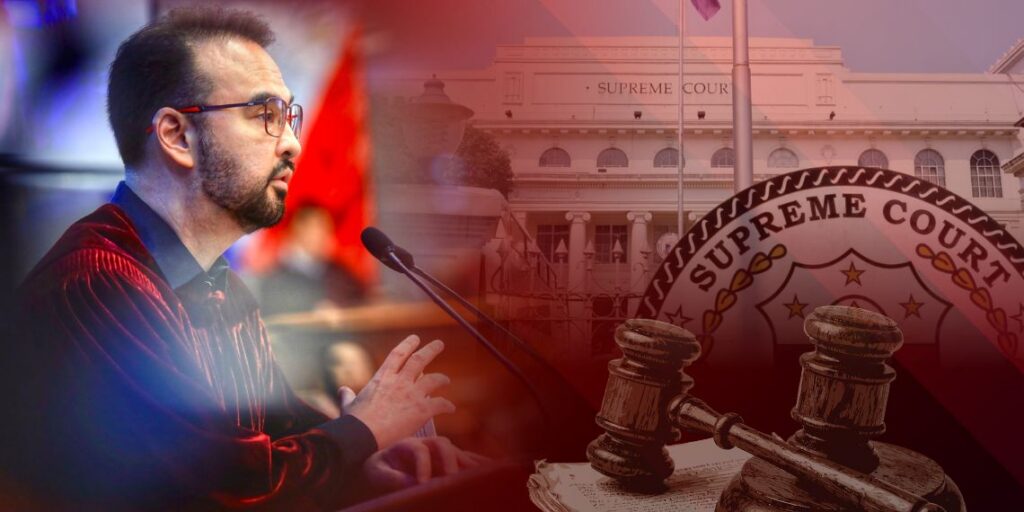
Senator-Judge Alan Peter Cayetano on Monday sought to uphold due process in the impeachment trial of Vice President Sara Duterte as he pointed to a 2025 Supreme Court requirement limiting the scope of impeachment charges to acts allegedly committed during an impeachable officer’s current term.

He raised the point shortly before the Senate Impeachment Court granted the prosecution’s subpoena requests for Duterte’s bank and tax records from 2007 to 2025 during the trial on July 20, 2026.

Cayetano cited Paragraph 6 of the due process requirements outlined by the Supreme Court in Duterte v. House of Representatives, which struck down the 2025 impeachment complaint against Duterte.

“The basis of the charge must be for impeachable acts or omissions committed in relation to their office and during the current term of the impeachable officer,” he said, quoting the Court.

House prosecutor Akbayan Party-list Rep. Chel Diokno argued that the Supreme Court’s statement was made in passing and did not form part of the ratio decidendi, or the legal basis for its decision to strike down the 2025 impeachment complaint.

Diokno also distinguished the dismissed complaint, which was initiated through the signatures of at least one-third of all House members, from the present case, which went through the House committee process.

Cayetano, however, disagreed that due process safeguards apply differently based on how an impeachment complaint was initiated.

“I don’t think the Supreme Court would be illogical in saying this is the principle for due process in this mode, but not in this other mode,” he said.

The lawyer senator said public officials must be held accountable for wrongdoing throughout their government service. However, he said impeachment should cover acts committed during their current term as impeachable officers, while alleged offenses committed outside that period may be pursued before the regular courts.

Diokno further argued that no trial had begun when the Supreme Court issued its ruling, so its statements on how a trial should be conducted may serve as guidelines but are not binding judicial precedent.

Cayetano responded that the question concerned the very scope of the case, rather than how the trial should be conducted.

“If we don’t follow that, we’re in danger of having a trial that’s void ab initio (from the beginning),” he said.

The defense, for its part, agreed that impeachable offenses should be limited to acts committed during the respondent’s present term and should not cover earlier years.

Cayetano said the Impeachment Court must resolve the question because it could affect several decisions throughout the trial.

“It’s very important that we understand and come to our own conclusions because many many times during this trial, and in every decision we have to make, this question will be front and center,” he said.

Cayetano ipinunto ang due process requirement na naglilimita sa saklaw ng impeachment charges

Binigyang diin ni Senator-judge Alan Peter Cayetano sa impeachment trial ni Vice President Sara Duterte nitong Lunes ang due process requirement ng Korte Suprema noong 2025 na naglilimita sa impeachment charges sa mga ginawang aksyon ng isang impeachable officer sa kasalukuyang termino nito.

Ipinunto ito ni Cayetano sa trial noong July 20, 2026 bago kinatigan ng Senate Impeachment Court ang kahilingan ng prosecution na maglabas ng subpoena para sa bank at tax records ni Duterte mula 2007 hanggang 2025.

Itinuro ni Cayetano ang Paragraph 6 ng due process requirements na inilatag ng Korte Suprema sa Duterte v. House of Representatives kung saan ibinasura nito ang 2025 impeachment complaint laban kay Duterte.

“The basis of the charge must be for impeachable acts or omissions committed in relation to their office and during the current term of the impeachable officer,” wika ni Cayetano.

Iginiit naman ni House prosecutor at Akbayan Party-list Rep. Chel Diokno na ang sinipi ni Cayetano na pahayag ng Korte Suprema ay komento lamang at hindi bahagi ng ratio decidendi, o ang legal na batayan ng desisyon nito sa pagbasura sa 2025 impeachment complaint.

Ipinunto rin ni Diokno na magkaiba ang paraan kung paano inihain ang dalawang reklamo.

Ang ibinasurang reklamo aniya ay direktang inihain sa pamamagitan ng lagda ng hindi bababa sa one-third ng lahat ng miyembro ng Kamara, samantalang ang kasalukuyang kaso ay dumaan sa proseso ng House committee.

Pero hindi ito sinang-ayunan ni Cayetano dahil hindi aniya naiiba ang due process depende sa paraan ng paghahain ng impeachment complaint.

“I don’t think the Supreme Court would be illogical in saying this is the principle for due process in this mode, but not in this other mode,” aniya.

Dagdag pa ng abogadong senador, dapat lang na panagutin ang mga opisyal ng gobyerno kung may ginawa itong paglabag sa alinmang punto ng kaniyang pagseserbisyo. Pero ang saklaw aniya ng impeachment ay ang kasalukuyang termino lamang ng isang impeachable officer, habang regular na korte naman aniya ang may saklaw sa anumang paglabag nito labas sa kasalukuyang termino bilang impeachable officer.

Iginiit naman ni Diokno na wala pang trial nang ilabas ng Korte Suprema ang nasabing desisyon, kaya bagama’t maaari itong gamiting guidelines sa pagsasagawa ng trial, hindi ito binding judicial precedent

Sagot ni Cayetano, ang pinag-uusapan ay ang mismong saklaw ng kaso at hindi kung paano isasagawa ang trial.

“If we don’t follow that, we’re in danger of having a trial that’s void ab initio (from the beginning),” aniya.

Pinanindigan naman ng depensa na limitado lang dapat ang impeachment charges sa mga ginawa ng isang impeachable officer sa kasalukuyan niyang termino at hindi saklaw ang mga naunang taon.

Hinikayat ni Cayetano Impeachment Court na resolbahin ang usapin dahil makaaapekto aniya ito sa marami pang desisyong gagawin sa buong trial.

“It’s very important that we understand and come to our own conclusions because many many times during this trial, and in every decision we have to make, this question will be front and center,” aniya.

Cayetano raises due process concern on scope of VP impeachment

Senator-Judge Alan Peter Cayetano on Monday sought to uphold due process in the impeachment trial of Vice President Sara Duterte as he pointed to a 2025 Supreme Court requirement limiting the scope of impeachment charges to acts allegedly committed during an impeachable officer’s current term.

He raised the point shortly before the Senate Impeachment Court granted the prosecution’s subpoena requests for Duterte’s bank and tax records from 2007 to 2025 during the trial on July 20, 2026.

Cayetano cited Paragraph 6 of the due process requirements outlined by the Supreme Court in Duterte v. House of Representatives, which struck down the 2025 impeachment complaint against Duterte.

“The basis of the charge must be for impeachable acts or omissions committed in relation to their office and during the current term of the impeachable officer,” he said, quoting the Court.

House prosecutor Akbayan Party-list Rep. Chel Diokno argued that the Supreme Court’s statement was made in passing and did not form part of the ratio decidendi, or the legal basis for its decision to strike down the 2025 impeachment complaint.

Diokno also distinguished the dismissed complaint, which was initiated through the signatures of at least one-third of all House members, from the present case, which went through the House committee process.

Cayetano, however, disagreed that due process safeguards apply differently based on how an impeachment complaint was initiated.

“I don’t think the Supreme Court would be illogical in saying this is the principle for due process in this mode, but not in this other mode,” he said.

The lawyer senator said public officials must be held accountable for wrongdoing throughout their government service. However, he said impeachment should cover acts committed during their current term as impeachable officers, while alleged offenses committed outside that period may be pursued before the regular courts.

Diokno further argued that no trial had begun when the Supreme Court issued its ruling, so its statements on how a trial should be conducted may serve as guidelines but are not binding judicial precedent.

Cayetano responded that the question concerned the very scope of the case, rather than how the trial should be conducted.

“If we don’t follow that, we’re in danger of having a trial that’s void ab initio (from the beginning),” he said.

The defense, for its part, agreed that impeachable offenses should be limited to acts committed during the respondent’s present term and should not cover earlier years.

Cayetano said the Impeachment Court must resolve the question because it could affect several decisions throughout the trial.

“It’s very important that we understand and come to our own conclusions because many many times during this trial, and in every decision we have to make, this question will be front and center,” he said.

Cayetano ipinunto ang due process requirement na naglilimita sa saklaw ng impeachment charges

Binigyang diin ni Senator-judge Alan Peter Cayetano sa impeachment trial ni Vice President Sara Duterte nitong Lunes ang due process requirement ng Korte Suprema noong 2025 na naglilimita sa impeachment charges sa mga ginawang aksyon ng isang impeachable officer sa kasalukuyang termino nito.

Ipinunto ito ni Cayetano sa trial noong July 20, 2026 bago kinatigan ng Senate Impeachment Court ang kahilingan ng prosecution na maglabas ng subpoena para sa bank at tax records ni Duterte mula 2007 hanggang 2025.

Itinuro ni Cayetano ang Paragraph 6 ng due process requirements na inilatag ng Korte Suprema sa Duterte v. House of Representatives kung saan ibinasura nito ang 2025 impeachment complaint laban kay Duterte.

“The basis of the charge must be for impeachable acts or omissions committed in relation to their office and during the current term of the impeachable officer,” wika ni Cayetano.

Iginiit naman ni House prosecutor at Akbayan Party-list Rep. Chel Diokno na ang sinipi ni Cayetano na pahayag ng Korte Suprema ay komento lamang at hindi bahagi ng ratio decidendi, o ang legal na batayan ng desisyon nito sa pagbasura sa 2025 impeachment complaint.

Ipinunto rin ni Diokno na magkaiba ang paraan kung paano inihain ang dalawang reklamo.

Ang ibinasurang reklamo aniya ay direktang inihain sa pamamagitan ng lagda ng hindi bababa sa one-third ng lahat ng miyembro ng Kamara, samantalang ang kasalukuyang kaso ay dumaan sa proseso ng House committee.

Pero hindi ito sinang-ayunan ni Cayetano dahil hindi aniya naiiba ang due process depende sa paraan ng paghahain ng impeachment complaint.

“I don’t think the Supreme Court would be illogical in saying this is the principle for due process in this mode, but not in this other mode,” aniya.

Dagdag pa ng abogadong senador, dapat lang na panagutin ang mga opisyal ng gobyerno kung may ginawa itong paglabag sa alinmang punto ng kaniyang pagseserbisyo. Pero ang saklaw aniya ng impeachment ay ang kasalukuyang termino lamang ng isang impeachable officer, habang regular na korte naman aniya ang may saklaw sa anumang paglabag nito labas sa kasalukuyang termino bilang impeachable officer.

Iginiit naman ni Diokno na wala pang trial nang ilabas ng Korte Suprema ang nasabing desisyon, kaya bagama’t maaari itong gamiting guidelines sa pagsasagawa ng trial, hindi ito binding judicial precedent

Sagot ni Cayetano, ang pinag-uusapan ay ang mismong saklaw ng kaso at hindi kung paano isasagawa ang trial.

“If we don’t follow that, we’re in danger of having a trial that’s void ab initio (from the beginning),” aniya.

Pinanindigan naman ng depensa na limitado lang dapat ang impeachment charges sa mga ginawa ng isang impeachable officer sa kasalukuyan niyang termino at hindi saklaw ang mga naunang taon.

Hinikayat ni Cayetano Impeachment Court na resolbahin ang usapin dahil makaaapekto aniya ito sa marami pang desisyong gagawin sa buong trial.

“It’s very important that we understand and come to our own conclusions because many many times during this trial, and in every decision we have to make, this question will be front and center,” aniya.

Share This Post

alanpetercayetano.com

Copyright © 2025 Alan Peter Cayetano