Cayetano amendments strengthen anti-stunting measures in nutrition bill
The Senate’s proposed national nutrition program is set to take a more proactive approach to stunting after accepting amendments by Senate Minority Leader Alan Peter Cayetano requiring earlier detection, regular monitoring, and targeted interventions for children at risk.
The amendments to Senate Bill No. 2272, or the Expanded National Nutrition Program Act, were read during Monday’s Senate session following Cayetano’s interpellation of the measure in a previous plenary session.
Senate President Sherwin Gatchalian commended Cayetano for his advocacy against child stunting, while bill sponsor Senator Paulo Benigno “Bam” Aquino thanked him for the proposed changes, saying the amendments were “really making this bill so much better.”
The amendments would explicitly recognize stunting as a critical national health and education concern, while common definitions of stunting, severe acute malnutrition, and other relevant nutrition terms, as well as a common measurement system will be adopted.
This would allow government agencies to work from the same standards when implementing interventions and setting targets and assessing outcomes.
The amendments would also establish a National Anti-Stunting Action Plan, with areas facing high stunting and food insecurity prioritized for technical and financial assistance.
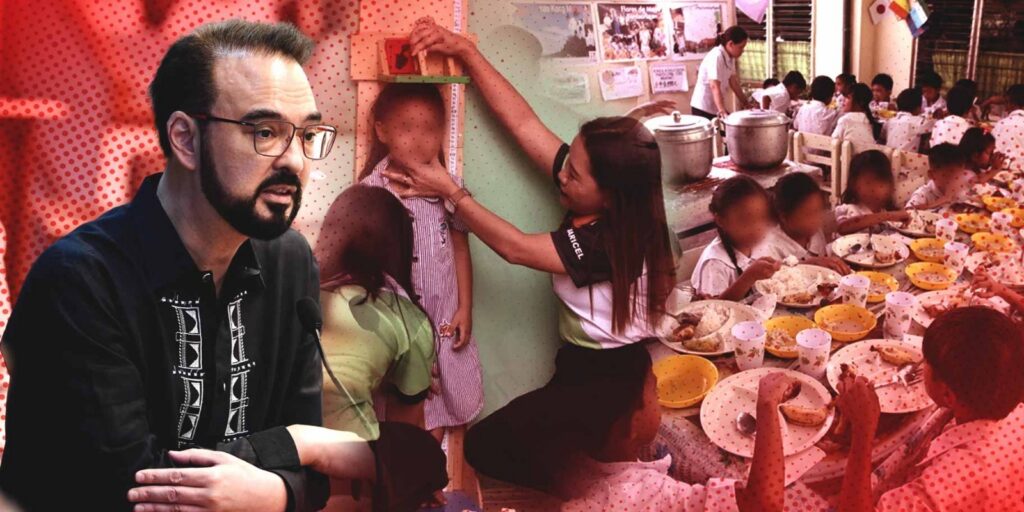
A Nutrition and Growth Monitoring Program would likewise regularly track children’s weight, height or length and other nutrition indicators.
Local Government Units would play a central role in implementing the measure with Barangay Health Workers, Barangay Nutrition Scholars and other trained personnel would identify children who are undernourished, stunted or at risk and ensure their referral, intervention and follow-up.
The proposal also reflects Cayetano’s push to build on Taguig City’s integrated nutrition, health monitoring and physical activity practices.
Schools would likewise conduct regular height and weight measurements and nutrition assessments of school-age children.
The proposal puts particular focus on the first 1,000 days of life, from conception through the first 24 months, and provides specific interventions for children who are stunted or at risk, including feeding support, complementary food, Ready-to-Use Therapeutic Food, and Vitamin A and zinc supplementation.
The changes build on Cayetano’s earlier call for a shift from simply measuring the prevalence of stunting to identifying the specific children who need help.
Cayetano also urged lawmakers to make the bill specific on interventions that can already be implemented.
“When we cannot be specific, let’s be general. Anything that we cannot specify na ito gawin, we’ll talk about it in general. But anything that we can specify, [let’s work on it] to ensure the success of this bill,” he said.
Filipino Version
Amendments ni Cayetano sa isang nutrition bill, palalakasin ang mga hakbang kontra stunting
Mas palalakasin ang pagtugon sa stunting sa ilalim ng national nutrition program matapos tanggapin ang amendments ni Senate Minority Leader Alan Peter Cayetano para sa maagang pagtukoy, regular na monitoring, at targeted intervention sa mga batang nasa panganib na maging stunted.
Binasa sa Senate plenary nitong Lunes ang mga amendments ni Cayetano sa Senate Bill No. 2272 o ang Expanded National Nutrition Program Act, kasunod ng kanyang interpellation sa panukala noong nakaraang sesyon.
Pinuri ni Senate President Sherwin Gatchalian si Cayetano sa kanyang pagsusulong laban sa child stunting. Nagpasalamat naman ang bill sponsor na si Senator Paulo Benigno “Bam” Aquino sa mga amendment ng Minority Leader na aniya ay nakatulong para higit pang mapabuti ang panukala.
Sa ilalim ng amendments, kikilalanin ang stunting bilang isang mahalagang usapin sa kalusugan at edukasyon. Magkakaroon din ng iisang depinisyon para sa stunting, severe acute malnutrition at iba pang nutrition terms, pati ng pare-parehong paraan ng pagsukat.
Layunin nitong magkaroon ng iisang pamantayan ang mga ahensya ng gobyerno sa pagtukoy ng mga batang nangangailangan ng tulong, pagbuo ng intervention at pagsukat kung naging epektibo ang mga programa.
Magkakaroon din ng National Anti-Stunting Action Plan na magbibigay-prayoridad sa mga lugar na mataas ang kaso ng stunting at food insecurity para sa technical at financial assistance.
Iminungkahi rin ang Nutrition and Growth Monitoring Program para regular na masubaybayan ang timbang, tangkad o haba at iba pang nutrition indicators ng mga bata.
Malaking papel naman ang gagampanan ng mga local government units o LGUs, dahil sila ang nasa sentro ng pagpapatupad ng programa sa mga komunidad.
Sa barangay, ang mga Barangay Health Workers, Barangay Nutrition Scholars at iba pang trained personnel ang tutukoy sa mga batang undernourished, stunted o nasa panganib na magkaroon nito.
Kasama rin sa panukala ang mga gawaing isinasagawa na sa Taguig City, partikular ang integrated approach nito sa nutrition, health monitoring at physical activity.
Sa mga paaralan, regular ding susukatin ang height at weight ng mga batang nasa school age at magsasagawa ng nutrition assessment.
Tututukan din ng programa ang unang 1,000 araw ng buhay ng bata, mula sa pagbubuntis hanggang sa unang 24 buwan. Kabilang sa mga maaaring intervention ang feeding support, complementary food, Ready-to-Use Therapeutic Food, Vitamin A at zinc supplementation.
Ang mga pagbabagong ito ay kasunod ng panawagan ni Cayetano na huwag lamang bilangin kung gaano karami ang mga batang stunted.
Mas mahalaga, aniya, na matukoy kung sino mismo ang mga batang nangangailangan ng tulong at kung anong intervention ang kailangan nila.
Hinimok din ni Cayetano ang mga mambabatas na gawing mas malinaw sa batas ang mga intervention na maaari nang ipatupad.
“When we cannot be specific, let’s be general. Anything that we cannot specify na ito gawin, we’ll talk about it in general. But anything that we can specify, [let’s work on it] to ensure the success of this bill,” sabi niya.
Share This Post