
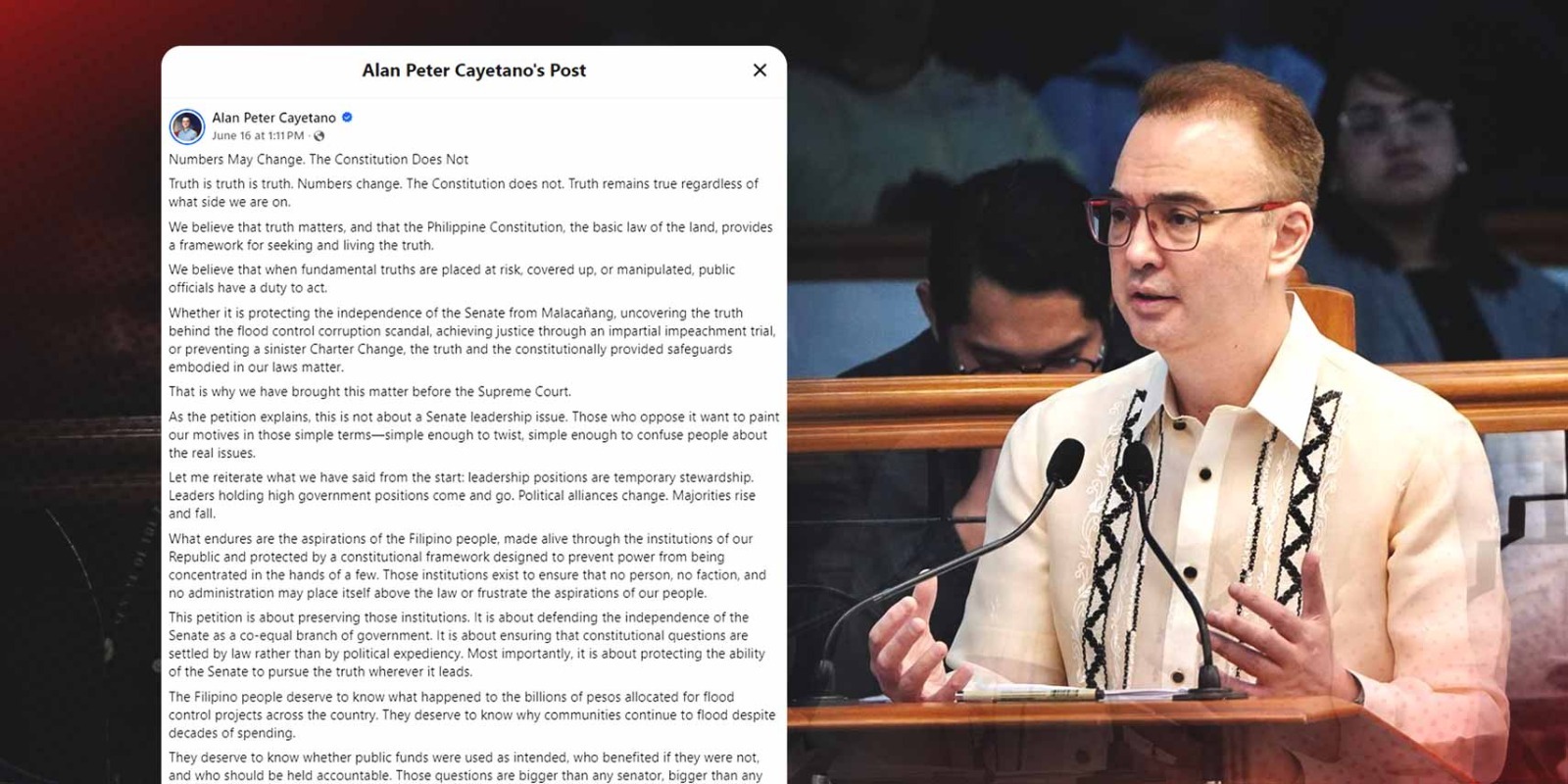
Numbers May Change. The Constitution Does Not
Truth is truth is truth. Numbers change. The Constitution does not. Truth remains true regardless of what side we are on.
We believe that truth matters, and that the Philippine Constitution, the basic law of the land, provides a framework for seeking and living the truth.
We believe that when fundamental truths are placed at risk, covered up, or manipulated, public officials have a duty to act.
Whether it is protecting the independence of the Senate from Malacañang, uncovering the truth behind the flood control corruption scandal, achieving justice through an impartial impeachment trial, or preventing a sinister Charter Change, the truth and the constitutionally provided safeguards embodied in our laws matter.
That is why we have brought this matter before the Supreme Court.
As the petition explains, this is not about a Senate leadership issue. Those who oppose it want to paint our motives in those simple terms—simple enough to twist, simple enough to confuse people about the real issues.
Let me reiterate what we have said from the start: leadership positions are temporary stewardship. Leaders holding high government positions come and go. Political alliances change. Majorities rise and fall.
What endures are the aspirations of the Filipino people, made alive through the institutions of our Republic and protected by a constitutional framework designed to prevent power from being concentrated in the hands of a few. Those institutions exist to ensure that no person, no faction, and no administration may place itself above the law or frustrate the aspirations of our people.
This petition is about preserving those institutions. It is about defending the independence of the Senate as a co-equal branch of government. It is about ensuring that constitutional questions are settled by law rather than by political expediency. Most importantly, it is about protecting the ability of the Senate to pursue the truth wherever it leads.
The Filipino people deserve to know what happened to the billions of pesos allocated for flood control projects across the country. They deserve to know why communities continue to flood despite decades of spending.
They deserve to know whether public funds were used as intended, who benefited if they were not, and who should be held accountable. Those questions are bigger than any senator, bigger than any political coalition, and bigger than any temporary majority. They go to the heart of public trust.
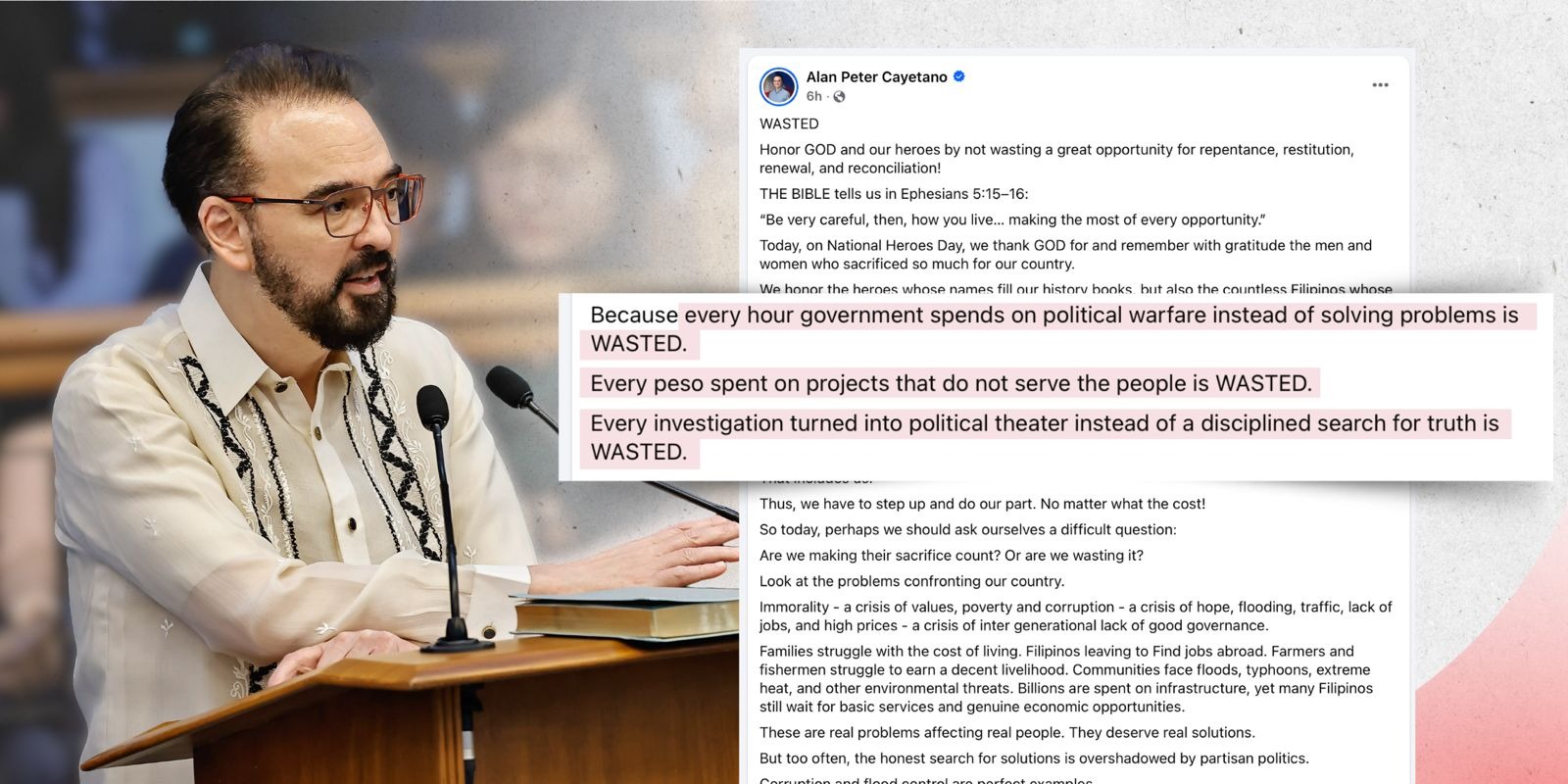
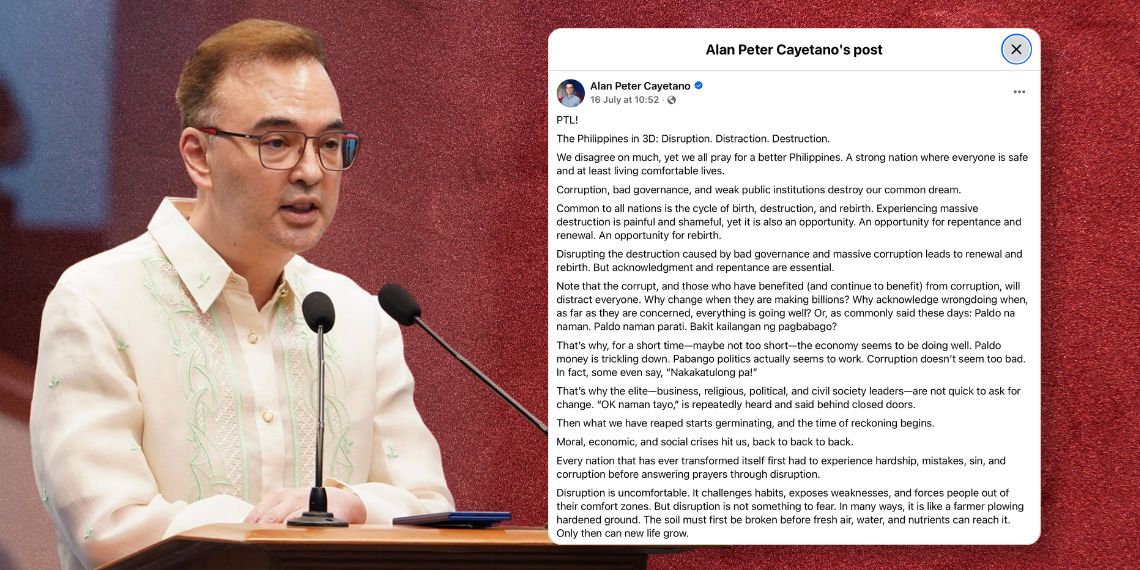
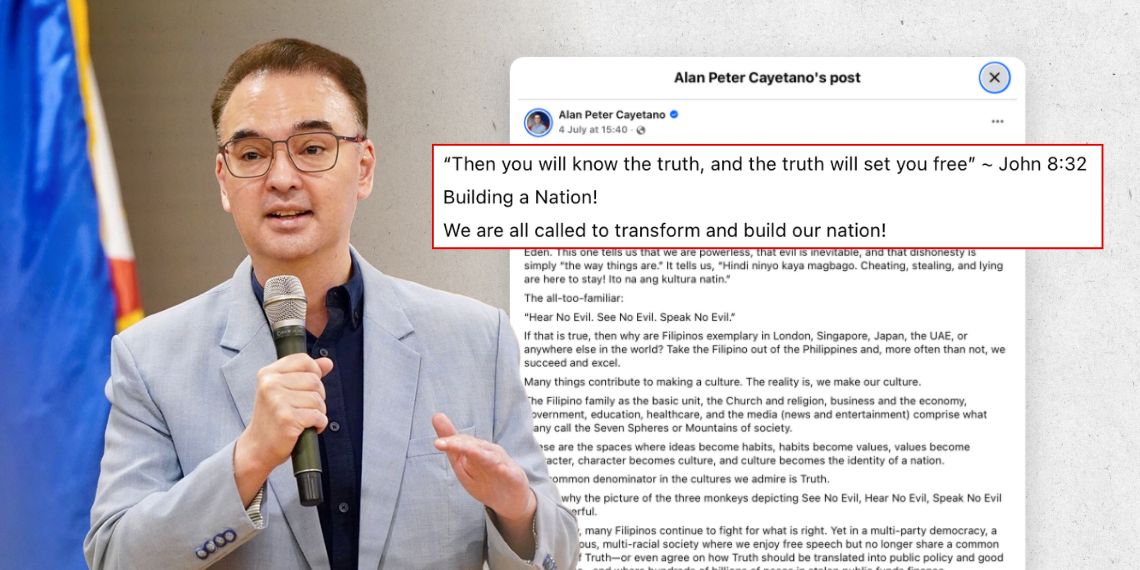
The issue before the Supreme Court is therefore not merely legal. It is institutional. If constitutional rules can be disregarded whenever they become inconvenient, then every future investigation, every future oversight function, and every future effort to hold power accountable becomes vulnerable to the same treatment. If the rules can be changed in the middle of the game, then no institution remains truly independent and no investigation remains truly secure.
The flood control hearings have already begun raising serious questions that deserve answers. The public has a right to know those answers. The Senate has a duty to pursue them. That duty cannot depend on shifting political winds or the preferences of those who may be affected by what the investigation uncovers.
The Supreme Court exists precisely for moments like this. Its role is not to choose sides in a political dispute but to determine whether the Constitution was followed. We welcome that judgment because constitutional clarity serves everyone, regardless of political affiliation or personal preference. Questions of this magnitude must be resolved through law, not through pressure or political convenience.
As stated in the Preamble of the Philippine Constitution, which articulates our aspirations as a people, we file this petition with sincerity and humility, asking for the aid and guidance of Almighty GOD as we seek to find our way forward as one people and one nation.